Heavy Duty Floor Gap Fixer Tool Review
A suction-cup tool that taps drifted laminate and vinyl planks back together to close gaps, without lifting the floor.
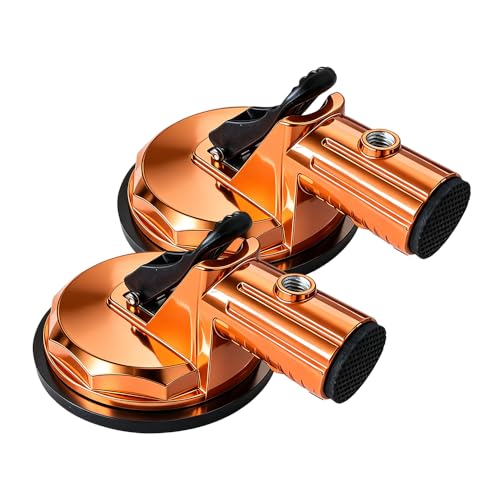
| Type | Laminate and vinyl floor gap fixer |
|---|---|
| Pack | 2 pieces |
| Construction | Aluminium alloy and high-strength cast iron |
| Grip | Locking suction cup |
| Striking face | 45 degree, forward and downward force |
| Protection | Felt pad to spread impact |
| Best for | Closing gaps in floating laminate and vinyl floors |
Product Overview
Have laminate or vinyl planks drifted apart, leaving thin gaps? This Heavy Duty Floor Gap Fixer Tool closes them. A suction cup grips one plank, then you tap it back against its neighbour. No ripping up the floor, no fitter needed. It suits floating floors that sit loose rather than glued or nailed.
Clarity on where it works matters. It is made for floating floors, meaning laminate, click vinyl, and similar planks that sit loose. On the right floor, it is a genuinely satisfying fix. On a bonded or nailed floor, there is nothing for it to pull. So it is not the tool for those.
Score Breakdown
This verdict is based on the manufacturer's stated specifications, the current Amazon listing and its product images, the confirmed materials and design, real buyer ratings, and our research into the product category. Scores are consistent editorial judgments, not laboratory measurements, and we did not receive a paid sample.
Key Features
Taps drifted laminate or vinyl planks back together to remove gaps and trip hazards.
Aluminium alloy and cast iron construction transfers a solid tap instead of flexing.
Applies forward and downward force at once, the direction needed to seat a plank.
Spreads the impact to reduce noise and the risk of marking the floor.
Press the suction cup down, lock the vacuum, and tap the striking surface.
Design and Build Quality
This build is more serious than the compact form suggests. It pairs a robust aluminium alloy body with a high-strength cast iron structure. That gives it the weight and rigidity to transfer a solid tap into the plank rather than flexing. The working end is a suction cup that locks onto a plank's surface. That gives you something firm to strike against.
Two details show real thought. A 45 degree striking surface lets you apply force forward and downward at once. That is the direction you need to seat a plank back into its neighbour. A felt pad spreads the impact, so you are less likely to mark the floor or make a harsh bang. In practice, press the suction cup down, lock the vacuum, and tap the striking surface until the gap closes.
Performance in Everyday Use
Used on a floating floor, the process is quick and oddly satisfying. Lock the suction cup onto the plank beside the gap. Give the angled striking surface a few taps. The plank walks back into place against its neighbour, closing the gap and taking the trip hazard with it. The heavy alloy-and-iron construction means each tap actually does something rather than bouncing. The felt pad keeps noise and surface marks down.
Fit and surface set the limits. The suction cup needs a smooth, clean plank to grip, so a heavily textured or dusty floor reduces its hold. Very stubborn gaps may need several goes and a rubber mallet on the striking surface. It will not fix a floor that has failed at the locking joints, only one where planks have simply drifted. Within its lane, it saves a call-out and does the job well. The two-pack means you have a spare.
How It Performs: The Evidence
| Decision factor | What we found | Evidence and measurement | Score | Why it matters |
|---|---|---|---|---|
| Gap closing | Walks planks together | Manufacturer: eliminates uneven spaces in laminate flooring | 8.5 | Closing the gap and the trip hazard is the whole job |
| Build | Delivers a real tap | Listing: aluminium alloy and high-strength cast iron structure | 9.0 | A flimsy tool absorbs the blow instead of moving the plank |
| Control | Force in the right direction | Listing: 45 degree striking surface for forward and downward force | 8.0 | Angled force is what seats a plank back into its lock |
| Surface care | Less marking and noise | Listing: felt pad distributes impact force | 8.5 | Protecting the floor you are fixing obviously matters |
| Value | Saves a call-out | Listing: two-pack at a budget price | 9.0 | Cheap tool versus a professional flooring visit |
Who Should Buy It
- Floating laminate floors
- Click vinyl plank floors
- DIY gap and trip-hazard fixes
- Avoiding a fitter call-out
- Keeping a spare tool handy
- Glued or nailed floors, or failed locking joints
- Only for floating floors, not glued or nailed
- Suction needs a smooth, clean plank to grip
- Stubborn gaps may need several taps
Full Specifications
How It Compares
| Feature | This pick | Typical budget | Premium option |
|---|---|---|---|
| Method | Suction and tap | Pull bar and mallet | Lift and refit |
| Floor type | Floating planks | Floating planks | Any |
| Build | Alloy and cast iron | Plastic or steel | Varies |
| Surface care | Felt pad | None | None |
| Quantity | 2 pack | 1 | Kit |
Alternatives Worth a Look


A well-built specialist tool that saves a fitter call-out for the common problem of drifting laminate or vinyl planks. The heavy alloy-and-iron body delivers a proper tap. The 45 degree face and felt pad keep it controllable. On floating floors, it just works. Confirm your floor is a floating type and that planks are simply gapped, and it is easy to recommend.
Frequently Asked Questions
What floors does it work on?
Floating floors such as laminate and click vinyl plank, where planks sit loose. It will not work on glued or nailed floors.
How does it close a gap?
You lock the suction cup onto the plank next to the gap and tap the 45 degree striking surface until the plank moves back against its neighbour.
Will it mark my floor?
A felt pad spreads the impact to reduce marking and noise, but always test gently first and keep taps controlled.
What if the suction will not hold?
The plank surface needs to be smooth and clean. A textured or dusty floor can weaken the grip, so wipe it down first.
How many do you get?
Two, so you have a spare or can work faster across a room.
This review is based on the manufacturer's stated features, the current Amazon listing and its images, and our research into flooring tools as a category. Scores are editorial judgments, not measured pull tests. We have been clear that this tool is for floating laminate and vinyl plank floors, not glued or nailed flooring. Confirm the current details and your floor type on the live listing before buying.