Electronics How Lighting Affects Mood and Wellbeing: Brightening Dark Rooms and Living Better Indoors
P
By the Pickpedia Team
·1 picks compared
·Last verified August 2026
Affiliate disclosure: As an Amazon Associate, Pickpedia earns from qualifying purchases. Links on this page are paid links, and we may earn a commission at no extra cost to you. This never affects our picks or scores.
Lighting shapes your mood, energy, focus and sleep far more than most people realize. Bright, daylight-like light lifts spirits and sharpens focus. Warm, dim light helps you wind down. Dark, windowless rooms feel draining. Brighten them with reflective surfaces, layered daylight-quality bulbs, and sky-simulating fixtures where natural light is scarce.
Why light affects how we feel
Light is far more than a way to see. It shapes our biology and psychology deeply. Natural light regulates the body clock, the circadian rhythm. That rhythm governs sleep, energy and alertness through the day. Bright light at the right times helps us feel awake. Dimmer, warmer light in the evening helps us wind down. Light also affects mood directly. Bright, natural-feeling light lifts spirits and sharpens focus. Persistently dim spaces can leave us low and sluggish. That is why gloomy rooms feel draining and sunny ones feel uplifting. Because light shapes energy, mood, concentration and sleep, it is no trivial decor detail. Getting it right genuinely aids daily wellbeing.
The problem with dark and windowless spaces
Many homes have spaces starved of good light. Think basements, interior rooms, windowless bathrooms and hallways. Some rooms simply get little daylight. These spaces feel gloomy, closed-in and unwelcoming. We tend to avoid or underuse them. The core problem is the missing natural light and its sense of openness. Ordinary artificial lighting does not fully replace it. A single harsh bulb lights a room without the bright, sky-lit quality that feels good. This matters because those dark spaces are wasted potential. A basement could be a lovely den. A windowless office feels oppressive instead. The real issue is not just brightness. It is the quality and feel of the light.
Bringing better light into dark rooms
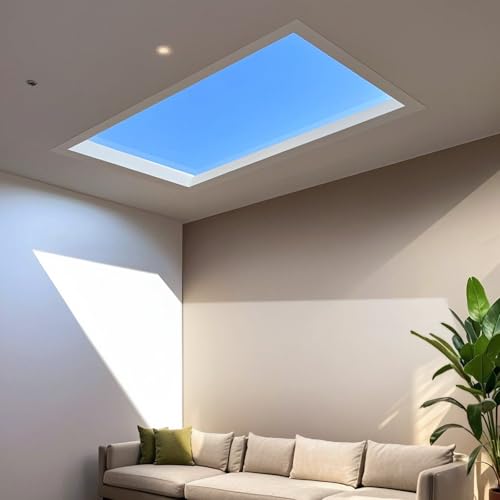
You can dramatically improve dark and windowless spaces with the right approach. Maximize any natural light you have. Keep windows unobstructed. Use light, reflective colors and mirrors to bounce it around. Where daylight is scarce, use artificial lighting that mimics it. Layer multiple sources rather than one harsh overhead bulb. Choose bulbs with a pleasant color temperature. For windowless rooms, an artificial skylight is one of the most effective fixes. It recreates the look and feel of real daylight overhead. A product like this artificial skylight ceiling light reproduces blue sky and shifts through a daily sunrise-to-sunset rhythm. It can genuinely transform a basement or interior room. Combine maximized daylight, layered daylight-quality bulbs and sky-simulating fixtures. A gloomy space turns bright and welcoming.
Using light for different moods and activities
Thoughtful lighting shapes the mood and function of any space. Bright, cooler, daylight-like light supports focus and energy. It suits workspaces, kitchens and daytime activity. Warmer, softer, dimmer light creates a cozy, relaxing feel. That suits living rooms and bedrooms in the evening. Adjustable light lets one space serve many moods. Dimmers or tunable smart bulbs change brightness and color temperature. Bright and energizing when you need to focus. Warm and calming when you want to relax. Align your light with the time of day too. Cooler and brighter in the morning. Warmer and dimmer at night. That supports your natural rhythms. Using light intentionally makes a home both more functional and more pleasant.
Lighting and healthy sleep
Sleep is one of the most important ways light affects wellbeing. Manage your light with sleep in mind. Bright, cool blue-toned light signals daytime and alertness. That helps in the morning but disrupts the evening. Bright and screen light before bed makes falling asleep harder. So in the hours before bed, shift to warmer, dimmer light. Reduce bright screen exposure then. Morning light does the opposite good. It sets your body clock and boosts daytime energy. Tunable lighting that warms and dims in the evening supports this pattern. Simply using lower, warmer light at night works too. Bright and cool by day, warm and dim by night. That simple habit protects your rest and, through it, your health and mood.
The bottom line
Lighting has a genuine, underappreciated impact on mood, energy, focus and sleep. Improving your home's light is a real investment in wellbeing, not just decor. Remember that light shapes how we feel. Dark, windowless spaces drain us because they lack the open quality of natural light. Brighten them by maximizing daylight and layering daylight-quality bulbs. For windowless rooms, consider sky-simulating fixtures that recreate real daylight. Use light intentionally: bright and cool for focus, warm and soft for relaxation. Manage evening light to protect your sleep. Do that and your home feels brighter, more open and more welcoming. Better light genuinely lifts how you feel every day.
How Lighting Affects Mood and Wellbeing: Brightening Dark Rooms and Living Better Indoors at a glance
Why you can trust this guide
We compared these picks using verified manufacturer specifications, current retailer listings, and patterns in owner feedback, alongside editorial research. We focus on measurable differences such as performance, capacity, usability, and build quality. Pickpedia does not present editorial research as laboratory testing, and we do not claim hands-on testing unless it was actually performed.
Our top picks
A 2 by 2 foot app-controlled artificial blue skylight ceiling light that reproduces sky and sunlight with a smart sunrise-to-sunset daylight rhythm, adjustable brightness from 1 to 100 percent and color temperature from 2000K to 8000K, and soft 40-degree wall lighting, for brightening windowless kitchens, bathrooms, basements and offices. It requires embedded ceiling installation with a 2 by 2 foot opening and a ceiling height of at least 9.5 inches.
BrandStecutts
TypeArtificial skylight ceiling light
Size2 by 2 by 0.8 ft
ControlApp: brightness and color temp
Brightness1 to 100 percent
Color temp2000K to 8000K
EffectSunrise-to-sunset rhythm
InstallEmbedded; ceiling depth 9.5 in+
Pros
- Convincingly recreates blue sky and sunlight overhead
- Smart sunrise-to-sunset daylight rhythm feels natural and calming
- App control of brightness (1 to 100%) and 2000K to 8000K color
- Soft 40-degree wall lighting mimics real skylight
- Genuinely transforms windowless rooms, basements and offices
- Wide application across home and commercial spaces
Cons
- Requires embedded ceiling install with a 2 by 2 foot opening
- Needs a ceiling cavity at least 9.5 inches deep; confirm before buying
- A semi-permanent fixture, not a plug-in or surface-mount lamp
- Do not look directly at the light on strong mode
Read our full review → Check price on Amazon ›
Note: Availability and specifications change often. Always confirm the current details on Amazon before buying.