Home & Kitchen Can Openers Explained: Manual vs Electric and Top-Cut vs Safety
P
By the Pickpedia Team
·1 picks compared
·Last verified August 2026
Affiliate disclosure: As an Amazon Associate, Pickpedia earns from qualifying purchases. Links on this page are paid links, and we may earn a commission at no extra cost to you. This never affects our picks or scores.
A can opener is the kitchen tool people complain about most, usually because they bought the wrong type or a blunt one. Two choices really matter: manual versus electric, and top-cutting versus smooth-edge. Get both right and opening a can stops being a fight. Here is what separates a good opener from an annoying one.
How a can opener actually cuts
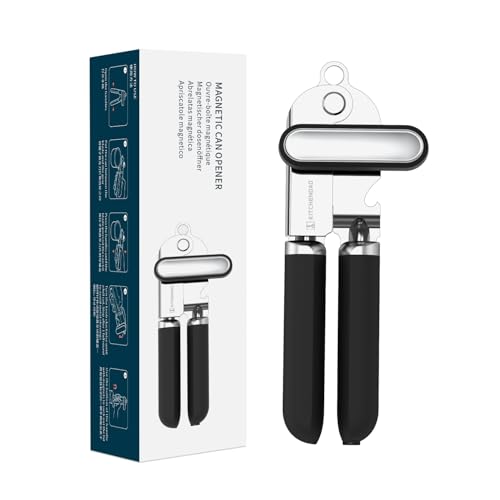
Most openers use a sharp cutting wheel and a serrated feed wheel that grips the rim. Turn the knob, and the feed wheel walks the opener around the can. The cutting wheel slices through the metal as it goes. Two things then matter more than anything. How sharp is the cutting wheel? And how easy is the knob to turn? A blunt wheel skips, crushes the rim and takes several painful passes. A keen, hardened-steel wheel bites cleanly first time. Blade quality is not a detail. It is the whole experience. That is why a good opener like the KITCHENDAO manual opener makes a point of its Sandvik steel wheel.
Top-cutting versus smooth-edge safety openers
Most people do not know this distinction exists. A traditional top-cutting opener cuts down through the top of the lid, just inside the rim. It is quick, secure and grips well. But it leaves a sharp edge on both the removed lid and the can. A smooth-edge or side-cutting safety opener cuts the seam on the side of the lid instead. The whole top then lifts off with rounded, blunt edges and no sharp rim. Safety openers suit households with children, or anyone nervous of sharp edges. They can be a little fiddlier to line up and start. Neither wins outright. It depends on whether you value speed and grip or smooth, safe edges.
The lid problem, and the magnet fix
Whatever the cut, you still have to get the lid out. Fishing a sharp lid from a can of tomatoes with a fork is how people cut themselves. Many good openers solve this simply. A magnet built into the handle grips and lifts the cut lid away cleanly. Using a top-cutting opener? A lid magnet is genuinely worth having.
Manual versus electric
Manual openers are compact, need no power, never break down electronically, and give you full control. A well-made one with a large, low-resistance knob suits most people. Electric openers do the turning for you at the push of a button. That really helps anyone with limited hand strength, arthritis or grip problems. They also take up counter space, need power, and add one more thing to break. For most people, a good manual opener is all they need. Electric earns its place mainly where hand strength is the issue.
Comfort and care
A few things separate a pleasant opener from an annoying one. A large, cushioned knob and soft-touch handles reduce hand strain. That matters if you open cans often or have weaker hands. Stainless steel parts resist rust. Hand-wash and dry most manual openers rather than leaving them wet. Water sitting in the mechanism dulls and corrodes it over time. Keep the cutting wheel clean, and a good opener lasts for years.
The bottom line
Choosing a can opener comes down to two decisions and one quality check. Pick manual for most people, or electric if hand strength is a problem. Pick top-cutting for speed and grip, or smooth-edge for safe rounded lids. Above all, insist on a sharp, hardened cutting wheel and an easy knob. Add a lid magnet and comfortable handles, and the humblest tool in the kitchen quietly does its job every time.
Can Openers Explained: Manual vs Electric and Top-Cut vs Safety at a glance
Why you can trust this guide
We compared these picks using verified manufacturer specifications, current retailer listings, and patterns in owner feedback, alongside editorial research. We focus on measurable differences such as performance, capacity, usability, and build quality. Pickpedia does not present editorial research as laboratory testing, and we do not claim hands-on testing unless it was actually performed.
Our top picks
A manual can opener with a sharp second-generation cutting wheel in Swedish Sandvik 12C27 stainless steel, a large low-resistance turn knob, soft-touch handles, a built-in magnet to lift the cut lid, and a built-in bottle opener.
BrandKITCHENDAO
TypeManual top-cutting can opener
BladeSandvik 12C27 stainless steel wheel
KnobLarge, low-resistance
HandlesSoft-touch grip
Lid liftBuilt-in magnet
ExtraBuilt-in bottle opener
ColourBlack
Pros
- Sharp Sandvik steel wheel cuts cleanly
- Large low-resistance knob, easy on the hands
- Magnet lifts the cut lid safely
- Soft-touch, comfortable handles
- Built-in bottle opener
- Reliable and well made
Cons
- Top-cutting, so it leaves a sharp lid edge
- Manual, not zero-effort like an electric opener
- Smooth-edge fans may prefer a side-cutting opener
Read our full review → Check price on Amazon ›
Note: Availability and specifications change often. Always confirm the current details on Amazon before buying.