Condenser Microphones Condenser Microphones Compared: 7 for Studio and Streaming
P
By the Pickpedia Team
·7 picks compared
·Last verified September 2026
Affiliate disclosure: As an Amazon Associate, Pickpedia earns from qualifying purchases. Links on this page are paid links, and we may earn a commission at no extra cost to you. This never affects our picks or scores.
Quick answer
The Blue Yeti is the best condenser microphone overall, a plug and play USB mic for most creators. For studio XLR the RODE NT1 5th Gen wins, and the FIFINE K669B is the best budget pick.
Condenser Microphones Compared: 7 for Studio and Streaming at a glance
Why you can trust this guide
We compared these picks using verified manufacturer specifications, available manuals and documentation, current retailer listings, and patterns in owner feedback, alongside editorial research. We focus on measurable differences such as performance, capacity, usability, and build quality. Pickpedia does not present editorial research as laboratory testing, and we do not claim hands-on testing unless it was actually performed.
How we chose: We compared connection from USB to XLR, sound quality, pickup patterns, features and value across seven current condenser microphones, alongside how owners rate real recording.
A condenser microphone captures voices and instruments with more detail than a basic mic, which is why creators, streamers and podcasters use them. The Blue Yeti is our overall pick, a plug and play USB mic that suits most people.
The choice comes down to USB versus XLR and how serious your setup is. USB mics plug straight in, while XLR condensers need an interface but scale to studio quality. We compared the specifications and owner feedback to match each to a real creator.
Our top picks
A plug and play USB mic with four pickup patterns that suit podcasting, streaming and vocals without an interface. Solid sound and easy setup make it a safe first choice. Wide use and reliability make it the top pick.
ConnectionUSB
PatternsFour pickup patterns
SetupPlug and play
Best forAll round recording
Pros
- Easy USB setup
- Four pickup patterns
- Reliable sound
Cons
- Picks up desk noise
- Larger on a desk
Check price on Amazon ›
A studio grade condenser with both XLR and USB-C output and very low self noise for clean vocal recording. It grows with you from USB to a full interface setup. The pick for serious home studios.
ConnectionXLR and USB-C
NoiseVery low self noise
UseStudio vocals
Best forSerious recording
Pros
- Clean, low noise sound
- XLR and USB-C
- Studio quality
Cons
- Needs interface for XLR
- Higher price
Check price on Amazon ›
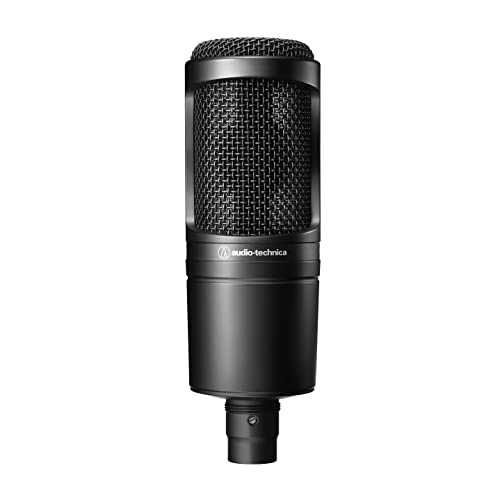
A trusted cardioid XLR condenser that delivers clean, detailed sound at a modest price, a studio staple for years. It needs an interface but rewards you with quality. The pick for XLR on a budget.
ConnectionXLR
PatternCardioid
ReputationStudio staple
Best forValue XLR
Pros
- Clean detailed sound
- Great value
- Trusted staple
Cons
- Needs interface
- No USB option
Check price on Amazon ›
A streaming focused USB condenser with RGB lighting, a tap to mute top and a built in shock mount. It looks the part on camera and sounds clear. The pick for streamers.
ConnectionUSB
FeatureRGB, tap to mute
MountBuilt in shock mount
Best forStreaming
Pros
- Tap to mute
- Built in shock mount
- Looks great on camera
Cons
- RGB not for everyone
- USB only
Check price on Amazon ›
A USB condenser with onboard DSP effects and tight software control that fits neatly into a creator setup. Clipguard helps avoid distortion on loud peaks. The pick for content creators.
ConnectionUSB
FeatureOnboard DSP effects
SoftwareWave Link control
Best forContent creation
Pros
- DSP effects and control
- Clipguard on peaks
- Compact design
Cons
- Relies on software
- USB only
Check price on Amazon ›
An affordable large diaphragm XLR condenser that captures vocals and instruments with clarity for home recording. It pairs well with a basic interface. A dependable home studio pick.
ConnectionXLR
DiaphragmLarge diaphragm
UseVocals and instruments
Best forHome studio
Pros
- Clear large diaphragm sound
- Affordable XLR
- Versatile use
Check price on Amazon ›
A simple USB condenser with a volume knob and clear sound at the lowest price here, ideal for a first mic. It plugs straight in with no interface. A great value starting point.
ConnectionUSB
ControlVolume knob
PriceBudget
Best forFirst microphone
Pros
- Very affordable
- Simple USB setup
- Clear for the price
Cons
- Basic build
- One pickup pattern
Check price on Amazon ›
What to look for
USB or XLR
USB condensers like the Blue Yeti and FIFINE plug straight into a computer with no extra gear, ideal for beginners and streamers. XLR condensers like the RODE NT1 and AT2020 need an audio interface but offer studio quality and room to grow. Choose USB for simplicity, XLR to build a studio.
Pickup pattern
Cardioid, on most mics here, records what is in front and rejects the sides, good for a single voice. The Blue Yeti adds extra patterns for interviews and group recording. If you record just yourself, cardioid is all you need.
Features and control
Streaming mics like the HyperX QuadCast add tap to mute and lighting, while the Elgato Wave adds onboard effects and software control. A plain condenser like the AT2020 keeps it simple. Decide which extras actually help your workflow.
Room and accessories
A condenser picks up room echo and desk noise, so a quiet space, a pop filter and a stand or boom arm improve results more than a pricier mic. Budget for a stand and pop filter alongside the microphone.
Frequently asked questions
What is the best condenser microphone overall?
The Blue Yeti is the best all rounder, a plug and play USB condenser that suits podcasting, streaming and vocals. For studio XLR the RODE NT1 5th Gen is the pick, and the FIFINE K669B is the best budget choice.
USB or XLR condenser microphone?
USB condensers like the Blue Yeti plug straight into a computer with no interface, ideal for beginners and streamers. XLR condensers like the RODE NT1 and AT2020 need an interface but offer studio quality and grow with your setup. Choose USB for ease, XLR to build a studio.
Do I need an audio interface?
For USB mics, no, they plug straight in. For XLR condensers like the AT2020 and AKG P120, yes, an interface supplies power and connects to your computer. Factor an interface into the budget if you choose XLR.
Which condenser mic is best for streaming?
The HyperX QuadCast is built for streaming with tap to mute, RGB lighting and a shock mount, and the Blue Yeti is a versatile alternative. Both are USB, so they plug straight in. Pick the QuadCast for streaming features, the Yeti for flexibility.
Are condenser mics good for podcasts?
Yes. Condensers capture voices with clear detail, which suits podcasting, and the Blue Yeti and Elgato Wave are popular choices. A quiet room and a pop filter help a lot. For very noisy rooms a dynamic mic can be more forgiving.
Do I need a pop filter and stand?
They help a lot. A pop filter reduces harsh plosive sounds and a stand or boom arm keeps the mic steady and away from desk noise. These accessories often improve results more than spending more on the mic itself.
Why does my condenser mic pick up background noise?
Condensers are sensitive and capture room echo, keyboard clicks and desk bumps. Record in a quiet, soft furnished space, use a shock mount and set input levels carefully. Positioning close to your mouth also reduces background pickup.
Are budget condenser mics any good?
Yes for getting started. The FIFINE K669B offers clear USB sound for very little, and the AT2020 is an excellent value XLR. The trade offs are simpler features and builds, not poor core sound.
The verdict
Blue Yeti USB Condenser Microphone
9.2/10
The Blue Yeti is the condenser microphone most creators should buy, easy to use and versatile over USB. The RODE NT1 5th Gen is the pick for a studio XLR setup, while the FIFINE K669B is the value way to start.
Check price on Amazon ›
Our top pick, secure checkout via Amazon
Note: Availability and specifications change often. Always confirm the current details on Amazon before buying.